Why The Global Employer Summit is A Must Attend Event!
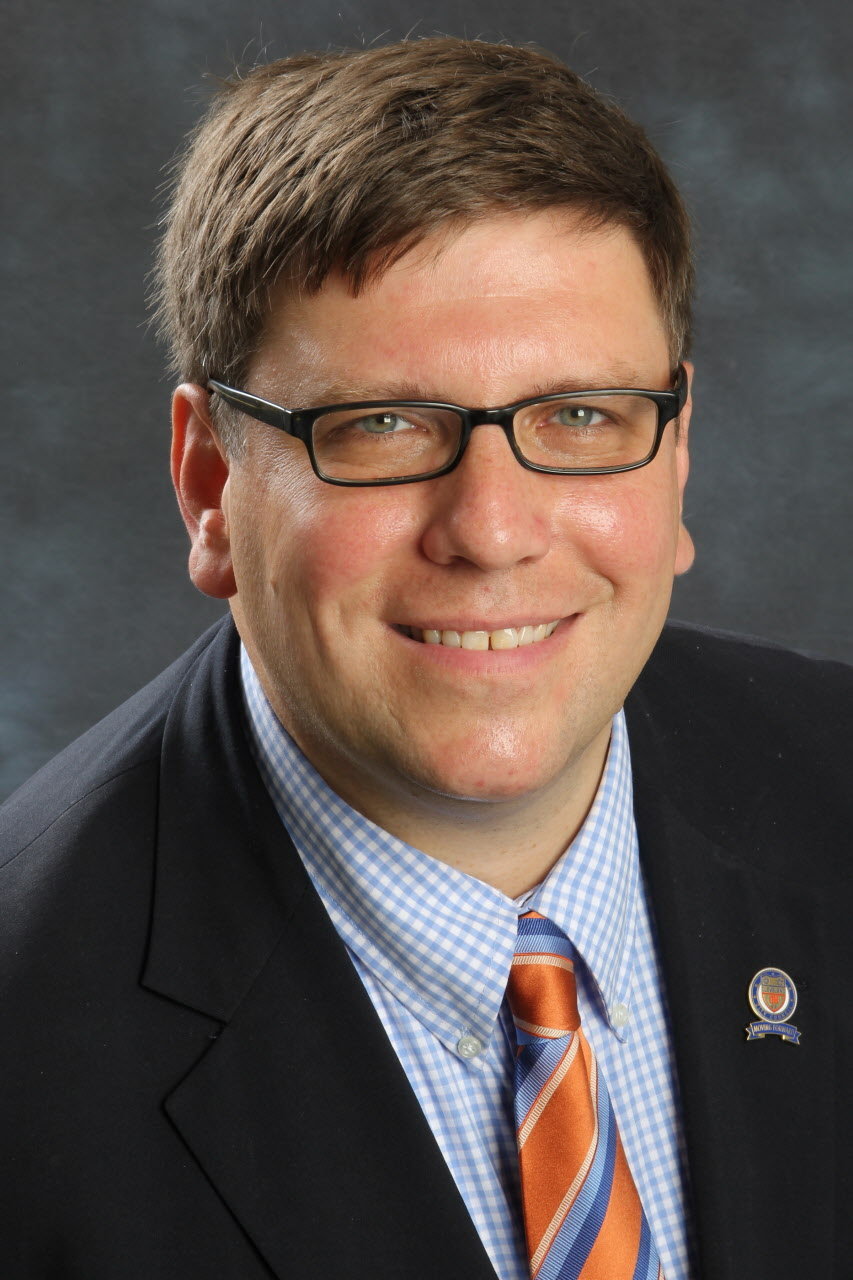
With only a few weeks from our first Global Employer Summit, our President, Joe Cimperman, explains what attendees can expect and why this Summit is such a valuable event to Cleveland’s top employers.
For Joe, the impetus for creating the Summit was obvious: “Our job at Global Cleveland is trifold: We exist to welcome, attract and retain Clevelanders. We build the bridges that must be constructed in order for our community to realize a prosperous future.”
“But in saying that we support Clevelanders, it’s important to recognize that that must include our incredible business community. Both for their benefit, as well as for those choosing to make our city their home.”
The Summit’s agenda includes sessions geared towards business leaders as well as those who are responsible for the talent efforts of their organization. C-Suite executives can expect to learn best practices for incorporating new talent in order to exceed business goals. They will also walk away with actionable ideas for immediate implementation within their organization while HR Directors will learn active strategies for filling positions with top talent.
“It’s about seeing who’s doing it right,” says Cimperman. “Not only across the country – but also right here in Northeast Ohio.”
“My greatest hope is for 100 ‘A-ha’ moments,” he says. “That attendees will learn things that can immediately be enacted to help them realize heightened results in their businesses in the next four fiscal quarters.”
In the last 10 years, over 19,000 new Clevelanders have chosen to make our city home. These individuals – born elsewhere – bring a global perspective that continues to be of need in the region. All the while, they are buying houses, opening bank accounts and spending money in the community.
“This is our history in Cleveland. And, when asked what success looks like for the Summit, I would say that in 10 years it’s that we won’t need it because we have created a global ecosystem so robust in Northeast Ohio that it’s just the way we operate.”
We look forward to seeing you at the Summit – secure your tickets here!


Global Cleveland Holds Workshop to Explain The Hiring Process to International Students
The Cleveland State University students who gathered recently at the offices of Global Cleveland represented nearly a dozen nations. More important to Cleveland employers, they represented as many technical fields—from mathematics to computer programming to mechanical engineering.
In pursuing advanced degrees, they were honing skills in short supply in the local economy. Yet all voiced a similar frustration. Though many hoped to stay on after graduation and launch careers, they were having trouble getting local companies to give them a chance.
One young man from India, who expects to graduate with a master’s degree in engineering, said he had applied for dozens of internships without a single response.
He could be approaching the job search incorrectly, a common situation with professionals from other cultures. But employment connection specialists at Global Cleveland think another dynamic is at work.
With anti-International Newcomer rhetoric high, and the Trump administration proposing new visa restrictions and even nationality bans, some employers may have grown skittish. They are passing over international talent because they fear a complicated hiring process. Or they never understood the process to begin with.
In reality, most international students are authorized to work upon graduation, and the hiring process is no different than for a domestic student. But in these tense times, employers may need extra assurances.
Wenzhu Sun, an employment specialist for Global Cleveland, instructed the students to be ready to explain the U.S. visa process to employers who may know less about it than they do.
“A lot of times, employers back away as soon as they hear ‘international hiring’ because they think it always means a super expensive sponsorship, which is not really the case,” she said.
Sun reminded the students that those earning scientific and technical degrees can work for three years before needing an employer to sponsor a visa. The cost for that visa, including attorney fees, is about $5,000—often less than the cost of recruiting someone with similar skills.
She also advised them to point out that international students are associated with company loyalty and a low turnover rate.
Work Ready
The key work-readiness program is called Optional Practical Training, better known as OPT. It allows international students to work for a year in their field of study without a visa. If the graduate earned a degree in a STEM field, they can work for three years before their employer needs to sponsor a visa.
In other words, international graduates have one to three years to prove to their employer that they are worth the modest investment a work visa requires.
“Our colleges and universities are attracting top students from around the world,” said Jessica Whale, the director of global talent and economic development at Global Cleveland. “Our region is stronger as more of these students are able to find internships and gain work experience, as well as contribute to the organizations they are working for.”
High Skill Visa
The most common work visa for international students, the H1B, is designed for International Newcomers with special skills. They cost an employer $2,500 and are good for three years, after which they can be renewed for another three years. (Attorney fees will push the cost of this visa to about $5,000).
The H1B can lead to a green card, or permanent residency. Thus do many H1B visa holders become long-term employees.
Tianyi Liu, a Beijing native with excellent English skills, graduates in May from Cleveland State University with a marketing and international business degree. She said she has succeeded in landing eight or nine interview and that most of the hiring managers seemed to value her bilingual skills and multicultural background. But they seemed puzzled and a bit intimidated by the visa process.
“Most companies seemed very confused about how to deal with international employees, but they really do want to learn more,” she said.
After the workshop at Global Cleveland, she said, she knew to explain that she is eligible to work at once.
“After 12 months, I will need a sponsor. But by that point I will have made a favorable impression,” she said confidently.
More Information
Global Cleveland holds workshop for international students to explain the hiring process and the relevant visa programs. To find out about the next workshop, contact Wenzhu Sun via [email protected].
Global Cleveland is also ready to talk with employers who want to know more about the international talent pool and the basic steps for hiring internationally. Learn more at globalcleveland.org/global-employers .
City of Cleveland Host Delegates from Sister City Rouen
The City of Cleveland maintains robust Sister City relationships all across the world. Our 22 Sister Cities include locales as diverse as Taipei (Taiwan) , Lima (Peru), Bratislava (Slovakia), and Ibadan (Nigeria). Partnerships between Cleveland and our Sister Cities are based on three guiding principles; creating economic development opportunities, raising cultural awareness, and facilitating educational exchanges. There’s a formalized process through the parent organization, Sister Cities International, to become “twinned” with another city, which includes passing legislation and a legal agreement between the mayors of both cities. One of Cleveland’s strongest Sister City relationships is with Rouen, France, and on April 12th, the City of Cleveland Mayor’s Office was proud to host a visiting delegation from Rouen.
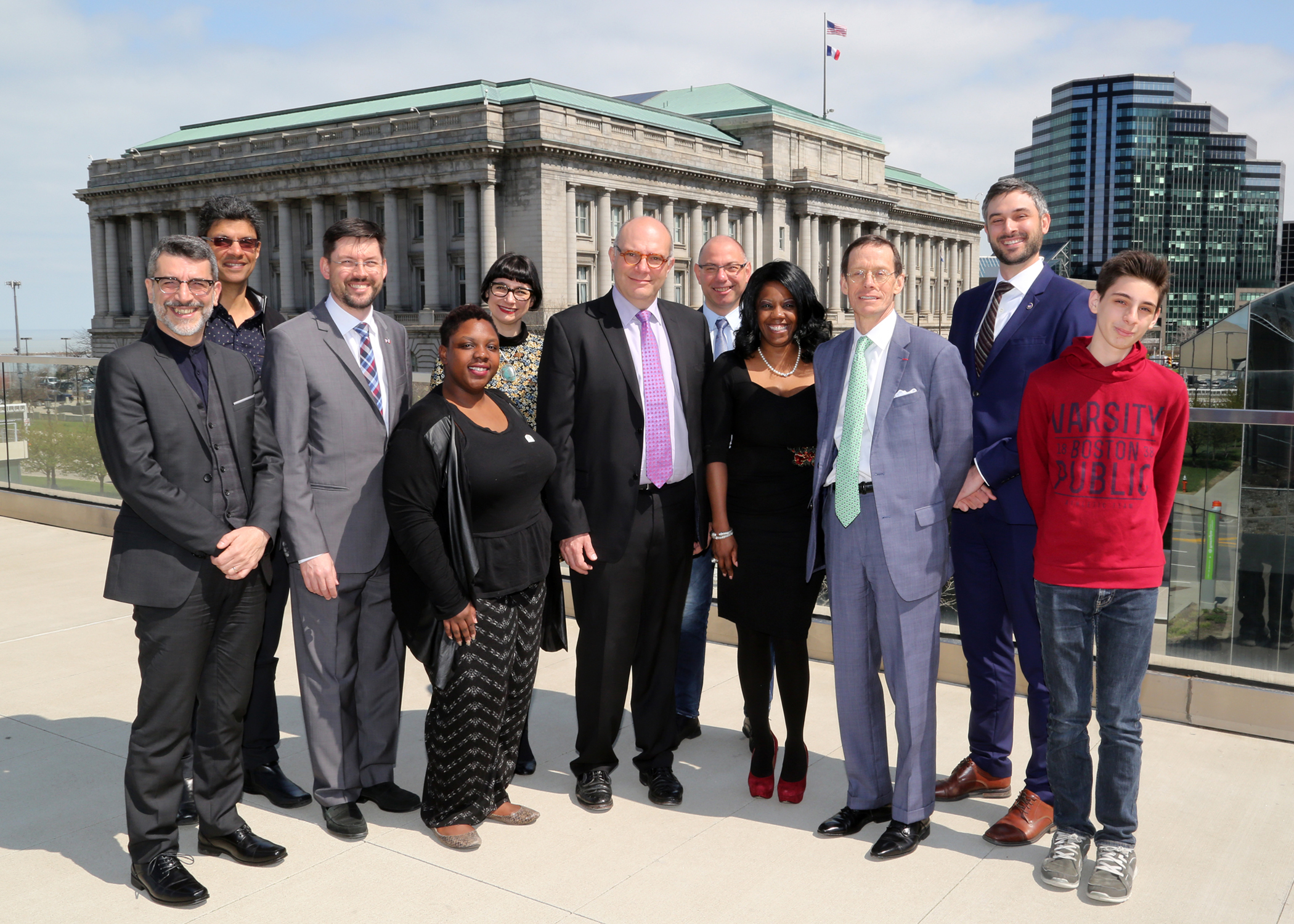
The French flag flew above City Hall for the day as Mayor Jackson, Chief Valarie McCall, Alex Lackey and Jazmin Long (of Global Cleveland) met with the French group. The visiting delegation included Bruno Bertheuil, Deputy Mayor of Rouen, Richard Turco, Deputy Managing Director of Rouen, and members of the Rouen arts and cultural community including Claude Brendel (Director of the Rouen Conservatory), Thierry Pecou (Artistic Director for the Variances Ensemble), Lydie Turco (Documentary Filmmaker) and Richard and Lydie Turco’s young son Élio Turco. Local members of the Northeast Ohio French community included Stephen Knerly (Honorary French Consulate and Lawyer at Hahn Loeser) and Cedric Le Rouge (Marketing Consultant and French American Chamber of Commerce Executive Director).
The discussion centered around plans for a 10th anniversary event in 2018 to celebrate the “twinning” of Cleveland and Rouen. Possible ideas include a collaborative musical performance, a Cleveland Bastille Day celebration, and an recognition of the shared historical medical industry connections between the two cities. Interestingly enough, both Cleveland and Rouen are big hockey towns, and the Rouen Dragons and Lake Erie Monsters Hockey teams each won their respective titles last year, so the idea of a possible exhibition game was suggested. Another ongoing project is a documentary that Mr. Turco’s wife Lydie is directing about Native American medical traditions in the 21st century which features connections to tribes from Ohio.
Cleveland and Rouen were formally twinned in 2008 by Mayor Frank G Jackson. Reasons for the connection include the fact that Rouen’s largest employer, Lubrizol, is a Cleveland company, and that the Lincoln Electric Corporation and MTD Mowers have facilities in Rouen. Another reason for the connection is that both University Hospitals and the Cleveland Clinic can trace their origins to events surrounding WW1 involving medics from Rouen. Our shared employment bases, economic activity, and burgeoning arts and cultural connections will make the 10th anniversary in 2018 of our “twinning” an exciting and beneficial expression of international cooperation for residents in both Cleveland and Rouen.
A Letter From The Heart To Global Cleveland
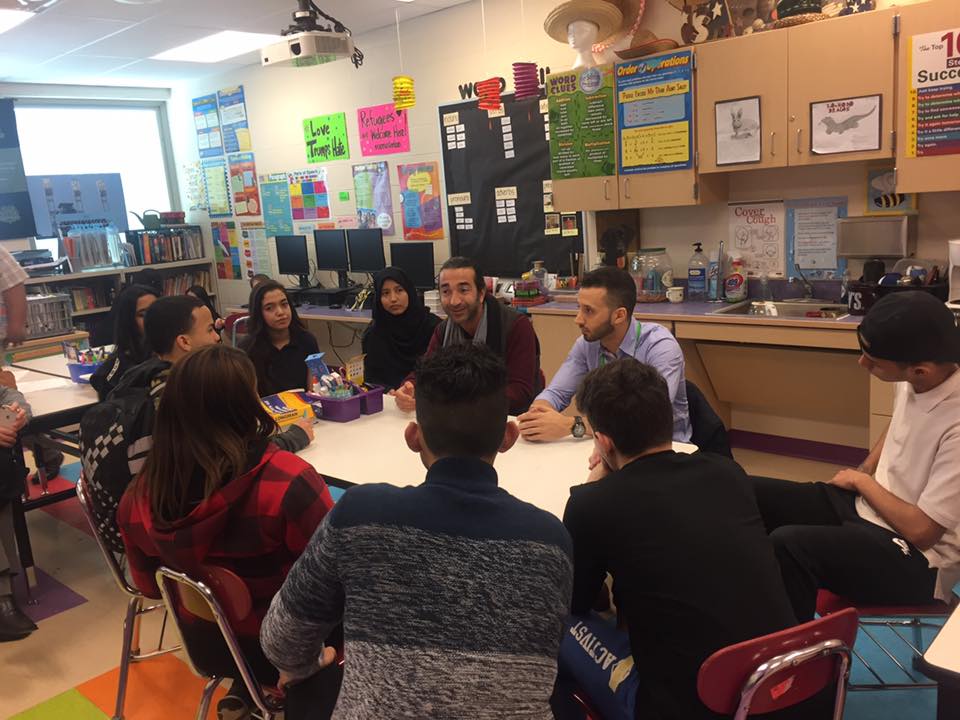
After spending such a great time in Cleveland and taking everything in, Goran and I want to thank you for your hospitality and friendship. We were very inspired by your kindness and culture. It was very special to see how art can transform into advocacy and result in meeting like-minded people. Having lunch at your office was very meaningful to the both of us and I’m sure many others felt the same.
After spending 18 months on Turkish-Syrian border and trying to bring the voice of those people here, we were finally able to see the fruits of our dedication. And I’m sure you all feel the same way when you reach out and make all those changes in the lives of Displaced Personss and International Newcomers. As an International Newcomer, I always found it difficult to communicate our needs to people. It always felt like people will listen but nobody will actually help. After seeing what Global Cleveland, Cleveland Public Theatre and the people of Cleveland do for the International Newcomer and Displaced Persons communities, I found hope. I was very inspired by the Thomas Jefferson School; as you said, it’s the mini United Nations.
I’m so glad that we took that tour and had the privilege of meeting the dedicated people who help the children and families make their dreams come true. Many people talk about the American dream but few people know what it means. For us International Newcomers, leaving everything behind and being stripped of our identities makes everything so hard for us to adjust and accomplish our dreams. But when we feel welcomed irrespective our ethnic, religious and political backgrounds and are given a chance to educate ourselves and live a peaceful life, that’s what I call the American dream. Many of us don’t have the same opportunities in our own country due to lack of freedom and acceptance. Here in America, we find that acceptance leads to a sense of belonging. When you belong to a society, then you can give back to that society and that’s what many Displaced Personss and International Newcomers end up doing. And one of the best examples of that was Mr. Garcia at the Thomas Jefferson School. He was a student at that school and went on to complete his education and came back to the same school to give back to new generations of International Newcomers and Displaced Personss. He knows every current student at that school along with their backgrounds as well as the classes they are in. It was heartwarming to meet someone like Mr. Garcia along with the many other inspiring principles, teachers and students of Thomas Jefferson School. I believe Cleveland as a city with its welcoming open-hearted culture is underrated and its story should be heard by all; especially by International Newcomers and Displaced Personss.
Your organizations are great role model for Americans who believe in unity and making change. We, as a country, are going through tough times but we can also show that most of us believe in one another and hold no prejudices. As a filmmaker and activist, I see a great story to be told about Thomas Jefferson school with all the different age groups and backgrounds living under one roof and one flag to make their dreams come true. I’m looking forward to hearing from you soon about how to make such a project happen.
Regards,
Apo Bazidi
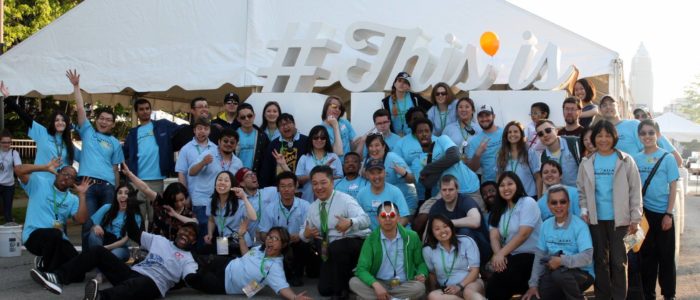
8th Annual Cleveland Asian Festival
The Cleveland Asian Festival is an all volunteered based grassroots effort to highlight AsiaTown while celebrating diversity and Asian culture in Northeast Ohio. It is a major reason for the resurgence of and growth in Cleveland’s AsiaTown community.
A record crowd of 48,800 attended the 7th annual Cleveland Asian Festival in 2016 and similar crowds are expected this year on May 20 and 21. For many it was their first visit to Cleveland’s AsiaTown and visitor surveys showed that a large majority planned on returning to shop and eat in the neighborhood throughout the year.
The Cleveland Asian Festival features a variety of delicious food and drink options from about 20 Asian restaurants, two stages of Asian entertainment including martial arts demonstrations, a health pavilion with free medical screening and information, community resources, Trolley Tours of the neighborhood, a kid’s area and more.
Johnny Wu, co-founder of the Cleveland Asian Festival, said “The all-volunteer executive board and committee members of the Cleveland Asian Festival works hard all year to create an experience that not only AsiaTown but all of Cleveland and beyond can enjoy and be proud of.”
The Cleveland Asian Festival is a family-friendly event featuring free admission and parking. It has been named the Best Festival in Cleveland and one voter’s note summed up the responses: “Even though it's called the ‘Cleveland Asian Festival’ this spectacular two-day event is filled with so much culture and diversity; not just that of Asian descent, but the culture and diversity of Cleveland as well. As a growing city, festivals like these bring a city together, and it's always a great time!”
For more information visit: http://clevelandasianfestival.org
About the Cleveland Asian Festival
The Cleveland Asian Festival’s mission is to bring cultural, diversity and economic growth to the AsiaTown neighborhood while celebrating Asian Pacific American Heritage month in May. The 8th Cleveland Asian festival will be held May 20 and 21, 2017 from 11am to 7pm on Payne Ave. between E. 30th St & E. 27th S. Admission and parking are free. No pets.
The 8th Annual Cleveland Asian Festival is made possible by the supports within the communities and sponsors, including: Ohio Arts Council, Cleveland Public Power, Asia Plaza, ImageLab Media Services, Cuyahoga Community College, KeyBank, Taft, Compass Self Storage, Third Federal, Kumon and Northeast Ohio Regional Sewer District.
Community Partner: IPM (International Partners in Mission)
International Partner in Missions (IPM) has been creating partnerships that build justice, peace and hope around the world since 1974. We maintain longstanding relationships with Project Partners in over twenty countries. These community-based Project Partners impact more than 60,000 children, women, and youth each year. In addition to funding, IPM provides technical support, micro-lending opportunities, regional conferences, and training.
IPM currently offers Immersion Experiences to Brazil, Columbia, the Dominican Republic, El Salvador, India, Kenya, Nepal, Nicaragua, and Tanzania. These short-term travel opportunities are designed to build cross-cultural relationships and solidarity with our Project Partners. Participants gain a greater understanding of the global realities of poverty. By witnessing the inspiring work of our Project Partners, participants are challenged with a new vision of society grounded in justice and love.
Headquartered in Cleveland Heights since 2001, we are excited to work with Global Cleveland and others in creating a welcoming global culture in Cleveland. Students from Case Western Reserve University, Cleveland Municipal School District, Saint Ignatius High School, and many more area institutions have seen the world through our Immersion Experience Program. We also host International visitors, and design programs to connect these visitors to the community.
We invite you to learn more about IPM’s work around the world on Friday, May 19, 2017 at our Annual Awards Luncheon. The program will feature Fatima Pacas, Regional Director of Latin America and the Caribbean. She will discuss the realities of forced Migration, highlighting the experience of our Project Partners in Latin America. For more information, contact Lisa-Jean Sylvia at [email protected].